
Uncovering Islam’s Untold Love Stories Is Ministry Through Media
When Ariella Gayotto Hohl's, MDiv ‘24 and Religion and Public Life Fellow, father unexpectedly passed away two years ago, she did not expect that her journey with grief would lead her to host a documentary film about love. “The whole project comes from a place of loss,” she said in a recent interview with Religion and Public Life. It all began while Gayotto Hohl was in the middle of pursuing a Master of Divinity degree at Harvard Divinity School. As a student in the Certificate in Religion and Public Life (CRPL) program in the Arts and Popular Culture track (at the time, called “Media and Entertainment”), she had been on the hunt for a CRPL internship placement. Still reeling from the recent loss of her father, Gayotto Hohl began speaking with Alex Kronemer, HDS alum, MTS '85, and Executive Producer at Unity Productions Foundation. “I reached out to him to say that I wanted an internship, and he sent me a film treatment. It was all about love in Islam, about trying to understand the meaning of love after grief. I fell in love with the treatment immediately.”
Hours of Zoom calls between her and Kronemer led to a unique offer for her to join the film not just as an intern, but as the host of the film, which film, Islam’s Greatest Stories of Love, is set to air August 22nd, 2025, on Public Broadcasting Services (PBS). From the beginning, hosting Islam’s Greatest Stories of Love was a decision of both head and heart for Gayotto Hohl. “The personal and the professional were very intertwined in that moment,” Gayotto Hohl explained.
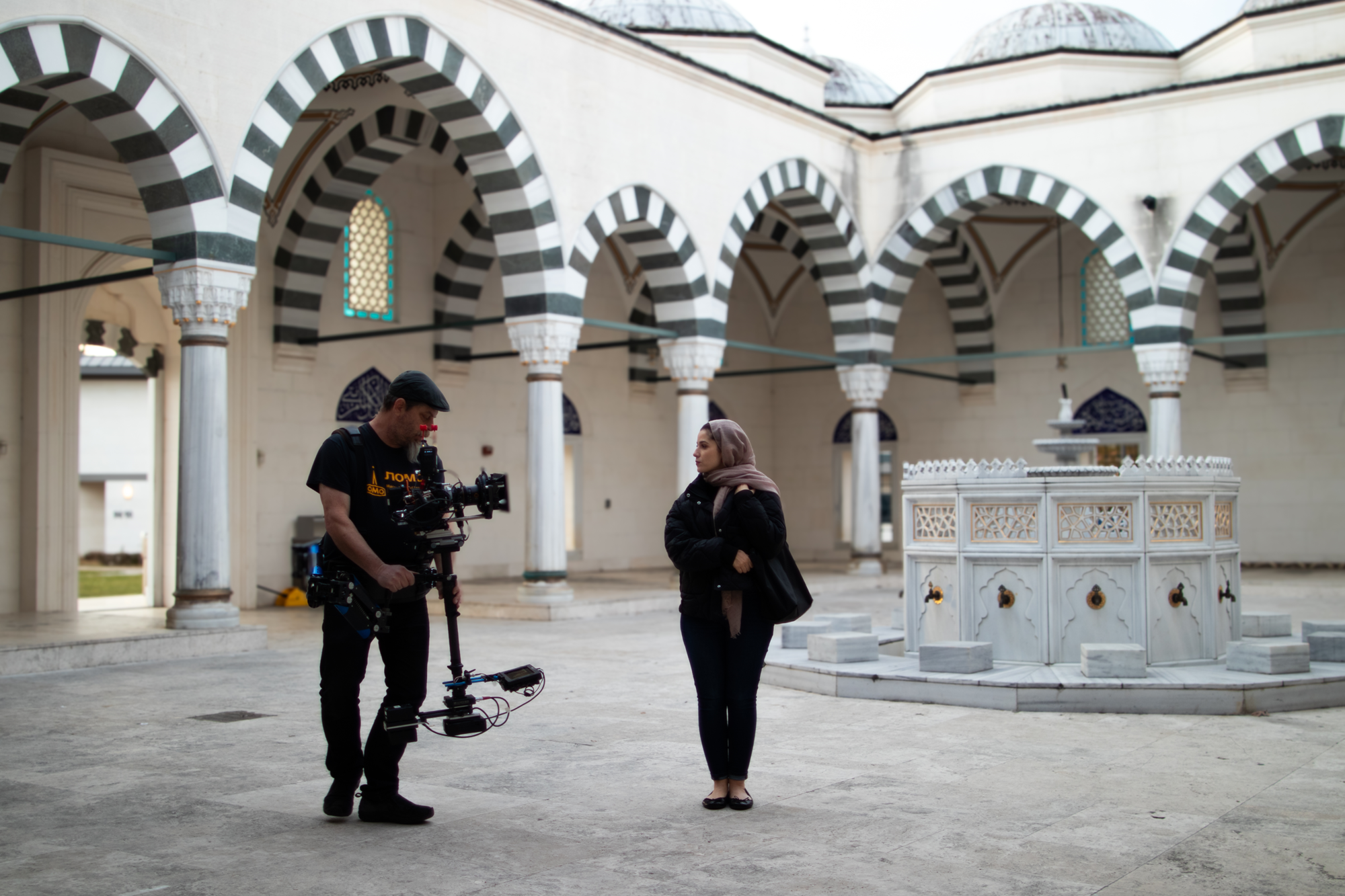
Love stories have been the backbone of the extensive poetry, literature, art, architecture, and historical events that have emerged from Muslim culture over the centuries. Despite this, many of these striking and influential love stories remain unknown to those both in and outside the Muslim world. The documentary will delve into love stories of all types, ranging from fraternal love in the story of Malcom X and his sister Ella Collins, love for God through Rumi’s poetry, to romantic love in the story of Shah Jahan and his wife Mumtaz Mahal. The film showcases the diversity of love in the Muslim world while also investigating the stories we know the least about. In choosing what stories to feature, the project team asked, “What are the stories we’ve never connected to love? What are the stories that never get explored through that particular lens?”
For Gayotto Hohl, the particular is what matters. “What I love about the RPL method is this idea of ‘making the particulars particular.’” For her, this means “really having the curiosity to sit with a story or person and truly understand their world, to explore the limitations that you have in your own worldview and knowing how to situate both of them.” She describes this as a process of “bearing witness.”
At its core, the RPL method is about the danger of a single story and the moral imperative across disciplines to flex our muscles of sitting in paradox. Gayotto Hohl says that the RPL method comes alive in the upcoming film: “We decided to really put aside anything that we might think we understand about these stories,” she explained. “Instead, we decided to try understanding the world through a very particular, situated lens.”
In selecting what love stories to feature in the film, the production team centered one main question: “What are the representations, interpretations, and versions of Islam that are missing from what we usually get to see, especially on TV?” She noted that while there has been progress in academic spaces towards highlighting more nuanced stories, this trend has not necessarily been translated to media and journalism.
For Gayotto Hohl, it was imperative that the film avoided universalizing its message in an attempt to reach a wider audience. “This is not the story of ‘a convert Latina woman who goes in search of the meaning of love!’” she insists. “This is a story of Ariella, who is many things, including Muslim and Brazilian, who lost her father and is now having a conversation with other people who have experienced grief, loss, and love.” By doing away with an expectation that the film is supposed to represent a universal experience of love, she feels they can tell more nuanced stories from specific Muslim perspectives.
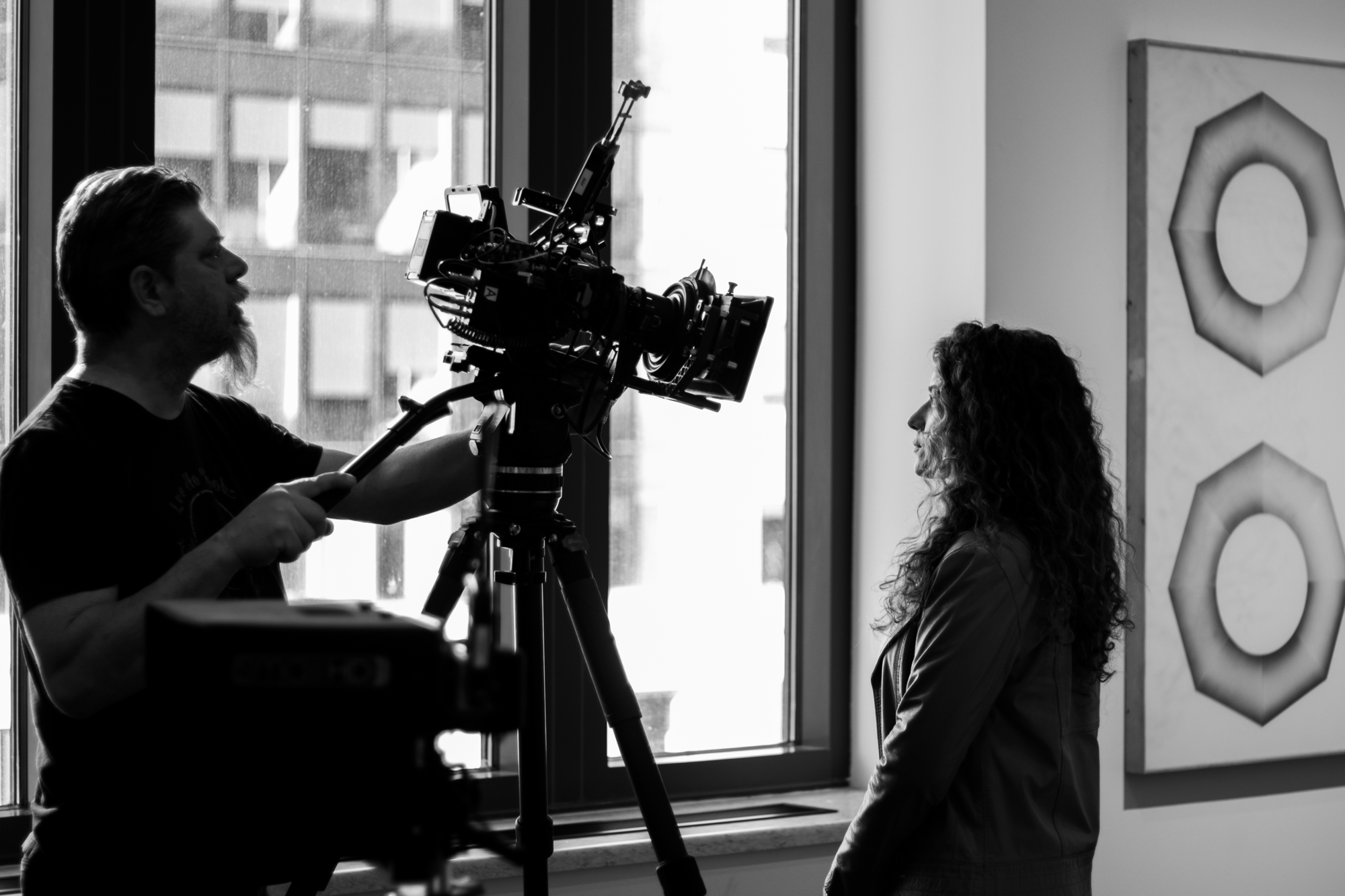
Rejecting palatability is a posture that Gayotto Hohl has drawn from her personal experience. Born into a Brazilian Roman Catholic family, raised Jewish, and a convert to Islam in college, she sits at the nexus of multiple identities. On the one hand, these transitions have given her a deep knowledge of and sense of fluidity between different cultural worlds. On the other, she is often forced into boxes that do not match her internal complexity. Gayotto Hohl resists efforts to label her: “It’s not that I don’t fit into a box, or that I’m not legible. It’s simply that you may not have the knowledge to understand me.”
In filmmaking, she brings this same resistance. When asked about the filmmakers whom she admires the most, she cites those who keep their storytelling personal. “A lot is lost when filmmakers attempt to translate everything to the audience,” she says. “We often think that legibility in film means making it universal. But if we flip it on its head and focus on making a film legible to a very particular community, you can do filmmaking in a much more groundbreaking way.”
Honoring the complexity of the featured love stories was central for Gayotto Hohl as she navigated her own experience with love and loss. “In making the film, what became very clear to me is that there are a lot of things that I was feeling in terms of grief that went beyond my own story,” she said.
In some academic circles, there is an ongoing push to shift centers of knowledge and authority towards historically marginalized communities. Gayotto Hohl thinks that the same conversation needs to be had in media and journalism. While media coverage tends to highlight the most violent stories, she wants to focus her efforts on uplifting the stories that often go untold.
This does not mean ignoring the horrific events happening every day in the world. Instead, she sees her efforts as an act of building more productive and representative narratives. “The more we give power to these views—that our communities don’t have power or that we are weak—the more we participate in re-traumatizing ourselves and feeding energy into that narrative.”
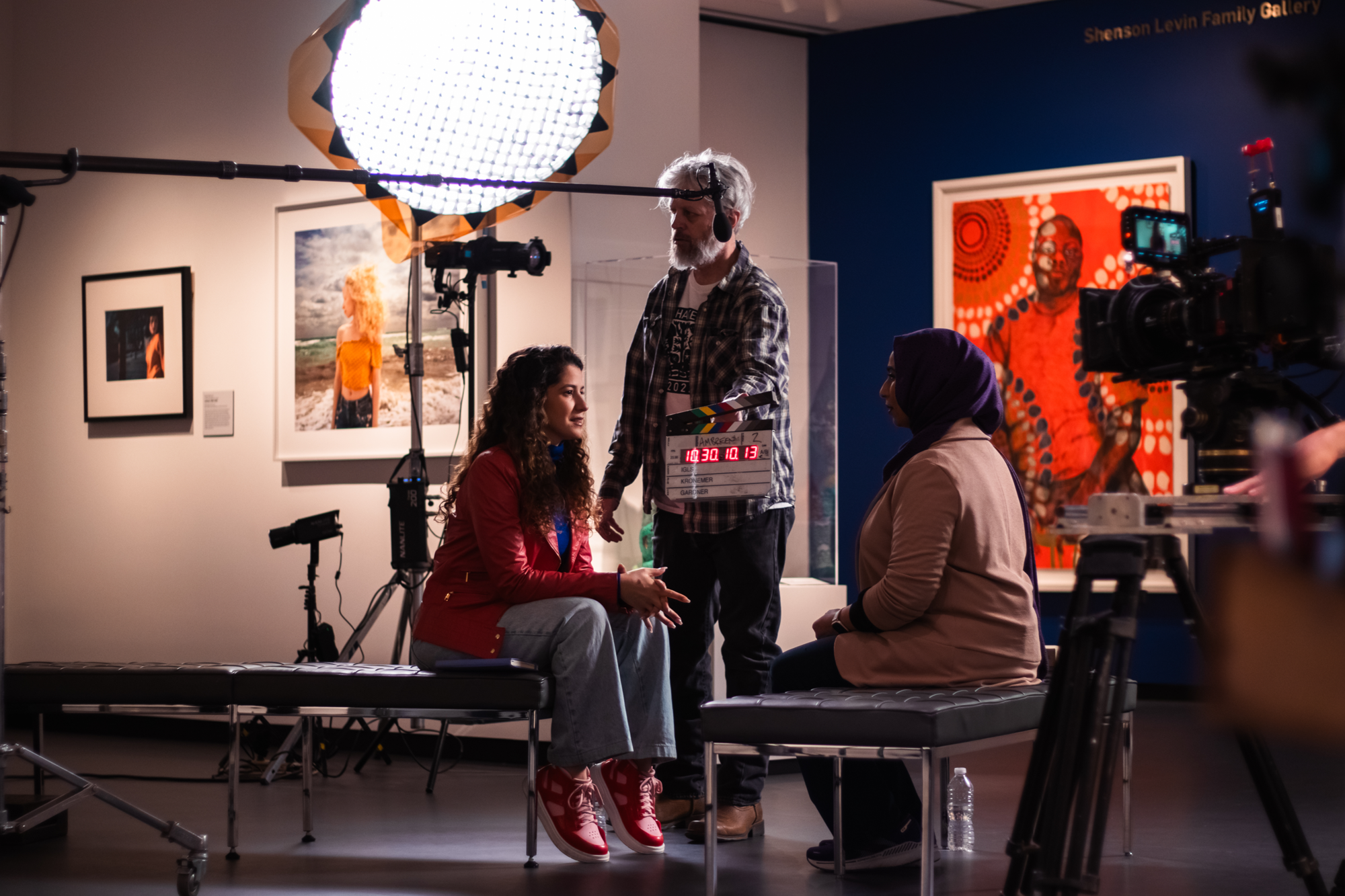
The kind of intentional storytelling happening in Islam's Greatest Stories of Love is a form of spiritual ministry for Gayotto Hohl. “Since the beginning of time, human beings have been making meaning, by which I mean making sense of our experiences, through storytelling.” In creating Islam’s Greatest Stories Love, “it is so obvious to me that the process of finding and telling these stories allowed me to connect to something bigger than myself.”
The filmmaking process boiled down to locating what is essential to human experience and then uplifting the stories that articulate it. “When my dad died, it didn’t matter what was in the news. When you go through immense grief, what is happening in the rest of the world suddenly doesn’t matter,” she explained. “At the end of the day, that is human nature, that is the essence of things. We get wrapped up in the world, but to lose great love, to grieve, these are the things that really matter in our lives, and we know it when we lose it.”
This is the thread that Gayotto Hohl hopes viewers will cling to as they traverse across centuries and continents in pursuit of Islam’s greatest love stories—from the story of her immense love for her father, to the timeless legacies of love in the Muslim world, to, hopefully, each viewer’s own heart.
